
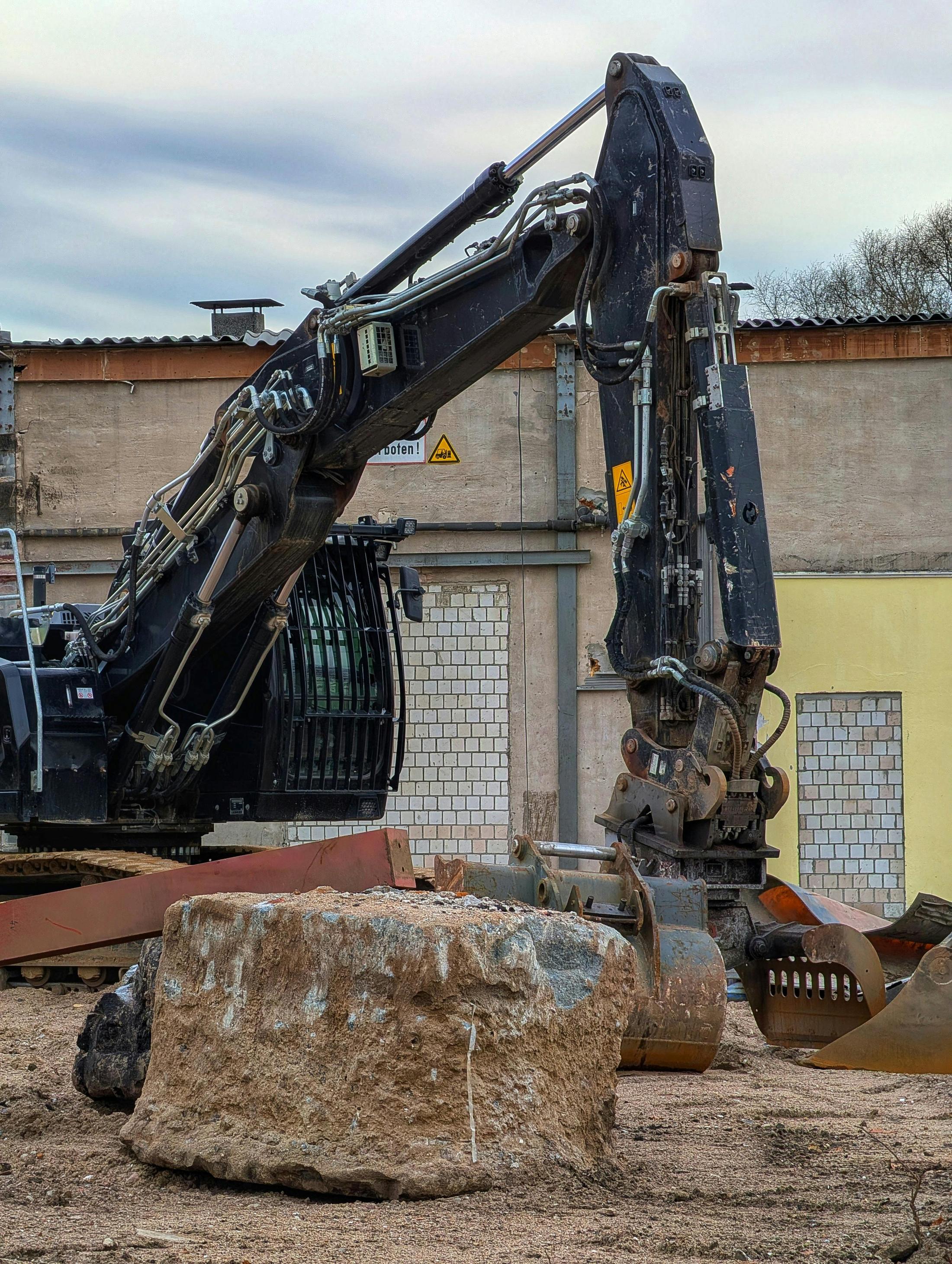
Concrete driveway removal in Metro Detroit typically runs $1,500 to $5,500 for standard residential driveways, depending on size, thickness, and reinforcement. Sidewalks run $4 to $10 per linear foot. Patios typically fall between $800 and $4,000. Most residential concrete removal projects wrap up in one to three days including haul-away and final grading.
Concrete driveway removal is simpler than full demolition, but the pricing still varies more than most homeowners expect. Two driveways that look identical from the street can cost hundreds of dollars apart because what matters is not what you see. Thickness, reinforcement, access, and what's under the slab all change the equation. This guide lays out what to expect so you can scope the project and compare quotes without surprises.
Cost ranges by project type
These ranges reflect complete scope: concrete breakup, debris haul-away, basic site cleanup, and rough grading. They assume standard access and no underground complications.
These are 2026 Metro Detroit ranges. The low end of each range typically applies to straightforward suburban driveways with good access and standard thickness. The high end applies to older, thicker, reinforced concrete or sites where access is limited.
What drives the price
Six factors move a concrete removal quote within the range for that project type. Understanding these helps you predict where your job will land before the contractor arrives.
- Square footage. The obvious one. Larger areas require more machine time, more labor hours, and more truckloads for disposal.
- Thickness. Four inches is standard for modern residential driveways. Older driveways are often six to eight inches thick, which was common under older Detroit building codes. Thicker concrete takes more time to break up and generates more debris weight.
- Reinforcement. Plain concrete breaks apart fastest. Concrete with wire mesh adds modest time. Rebar-reinforced concrete requires cutting or pulling the rebar separately, adding labor. Heavy rebar in pool decks or older commercial slabs can add 20 to 40 percent to cost.
- Access to the work area. Front driveways are easiest. Side yards, backyard patios behind fences, or sites requiring equipment to cross lawn areas all add complexity. Tight gate openings that require smaller equipment can extend timeline.
- Haul distance and disposal fate. Metro Detroit has multiple concrete recycling facilities, which keeps disposal costs reasonable. Sites further from recyclers incur higher per-ton trucking costs. Concrete that gets recycled rather than landfilled typically costs less to dispose of because tipping fees are lower at recycling facilities.
- What's underneath. Plain gravel base is easy. Buried utilities that need to be protected, old asphalt layers under the concrete, or significant root systems all add time and care.
Old Metro Detroit driveways are often 6 to 8 inches thick with rebar through the middle. That's the single biggest reason a $1,500 quote becomes a $3,500 invoice.
Metro Detroit-specific factors
A few regional factors affect concrete removal pricing in Metro Detroit specifically.
Older driveways run thick
Concrete driveways poured in the 1950s through 1970s across Metro Detroit are commonly six to eight inches thick with heavy wire mesh or rebar. Modern driveways are typically four inches thick with light mesh. If you're removing an original driveway from an older Detroit-area home, assume the higher end of the cost range until confirmed otherwise.
Frost heave damage is common
Michigan's freeze-thaw cycles are hard on concrete. Many Metro Detroit driveway removals happen because frost heave has cracked or raised the slab beyond repair. If your driveway shows significant cracking, heaving, or sinking, those conditions can actually make removal easier since the slab is already compromised.
Winter timing considerations
January through March work is possible but brings complications. Frozen ground makes final grading harder and the site may need return visits for spring restoration. Some contractors discount winter work since concrete removal is less weather-dependent than full demolition.
Recycling facility availability
Metro Detroit has good concrete recycling capacity. Most removal contractors take broken concrete directly to a recycling facility rather than a landfill. This keeps disposal costs reasonable and supports the aggregate recycling market, which is why regional concrete removal pricing often runs lower than rural Michigan equivalents.
The removal process step-by-step
A typical residential concrete driveway removal follows this sequence. Most jobs wrap up in one to three days total.
- Site assessment and quote. Contractor visits the site, measures dimensions, checks thickness (often by cores or existing cracks), and identifies access and disposal logistics. Quote is issued within a few days.
- Utility locate call. Before any breaking or excavation, the contractor calls Michigan's 811 service to mark underground utilities. This is free but takes three business days to complete and is required by Michigan law.
- Scheduling and pre-work prep. Most contractors can schedule within one to two weeks of contract signing. The day before work, property owners are typically asked to move vehicles and clear any items from the work zone.
- Breaking and removal. Equipment operators use hydraulic breakers or excavators with concrete pulverizers to break the slab into haulable chunks. A standard residential driveway breaks up in a few hours. Broken concrete is loaded directly onto trucks for disposal.
- Site cleanup and grading. Once concrete is gone, crews rake and grade the exposed base material. Any disturbed lawn areas are restored to grade. Final walk-through confirms the scope is complete.
- Optional final inspection. Most municipalities do not require inspection of private concrete removal unless tied to a new construction permit.
Should you replace right after removal?
Timing matters if you're replacing the driveway rather than leaving the lot bare.
Replacement immediately after removal is usually cheaper than removing now and replacing later. Same crew, same equipment mobilization, no gap between scopes. If your plan is always replacement, tell the demolition contractor up front and ask whether they handle replacement or coordinate with a pour crew.
That said, there are good reasons to wait. If you're doing other landscaping, drainage work, or adding structures that need the bare lot, schedule those first. If you want to comparison-shop pour contractors independently, a gap is fine. Just know that a vacant base for more than a few months invites weed growth and settlement that may need to be addressed before the new pour.
Spring and fall are the busiest replacement seasons in Metro Detroit. If you're planning an immediate replacement, book the pour crew when you book the removal to secure the sequence.
How to get an accurate quote
Concrete removal quotes are simpler than full demolition quotes but the same principles apply. Accurate scope in means accurate pricing out.
What to provide
- Approximate dimensions. Length, width, and thickness if known.
- Known reinforcement. If the original installation records show rebar or mesh, mention it.
- Site access description. Distance from street to work area, gate widths, grade changes, and whether equipment has to cross lawn.
- End condition desired. Clear and graded, rough clear, or stockpile material on-site.
- Replacement timing. Immediate replacement, planned later, or no replacement.
What a good quote includes
A complete concrete removal quote should itemize the breakup and removal, debris disposal, site cleanup and rough grading, and any required utility locate coordination. The total dollar figure is less useful than the itemized list when comparing contractors.
Red flags in low quotes
Quotes that come in significantly below others typically exclude disposal (meaning you pay extra for haul-away later), assume thinner concrete than you actually have, or skip final grading. Ask whether the quote includes everything needed to leave you with a clean, graded site ready for the next step.