
One contract. Four service lines.
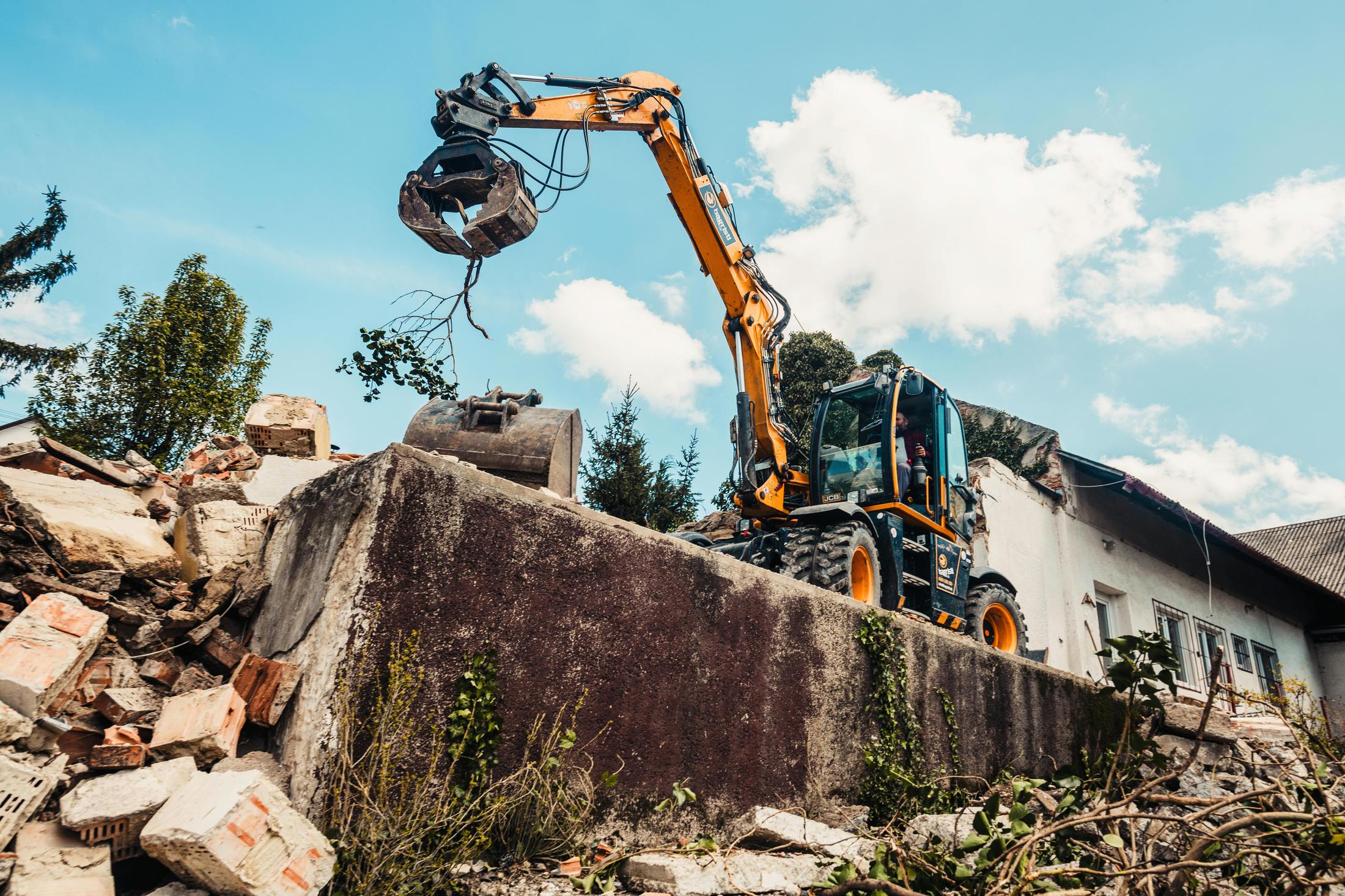
Demolition, hauling, and excavation under one subcontract across Metro Detroit. Three scopes, one crew, one set of quotes, one documentation package at closeout. Built for GCs who don't have time to coordinate three separate subs on every project.
The sub you don't
have to chase.
GCs don't need another sub who shows up late with half the paperwork missing and a price that doesn't hold once conditions change.
What GCs need is a contractor who understands that a sub's reliability shows up directly in the GC's margin. Permits that stall the project cost money. Subs that don't coordinate with the next trade cost more. Change orders that arrive as surprises cost the most.
Liora Works runs demolition, hauling, and excavation scope under a single subcontract. Scope quoted line-by-line. Site conditions flagged before contract signing. Documentation delivered proactively. Handoffs to concrete, framing, plumbing, and electrical done clean so the next trade can start without touch-up work.
Four service lines.
Your project, not four calls.
The three scopes most GC projects need from the excavation and demolition phase. Running them through one subcontractor means one schedule to coordinate, one insurance certificate, and one point of contact when the project manager has a question at 4 PM on a Friday.
Demolition before the foundation pour
Residential teardowns, commercial demolition, selective interior demolition for renovation projects, and concrete removal. Site cleared and ready for the next phase. Permits handled with BSEED or the suburban municipality. Neighbor notifications coordinated where scope requires.
- Full residential structure teardowns
- Commercial & mixed-use demolition
- Interior selective demolition
- Concrete removal for new construction
Debris flow through the active site
Construction debris hauled as it accumulates, not in a single pileup at the end of the project. Rolling dumpster service during active construction. Post-demolition site cleanup. Aggregate and fill material delivery timed to grading production rate.
- Rolling construction debris service
- Demolition debris hauled as it accumulates
- Post-demolition site cleanup
- Aggregate & fill delivery
Excavation ready for the next trade
Foundation excavation to drawings, utility trenching with full MISS DIG compliance, sewer and water line work, and site prep to engineered grade. Hole is walkable, grade is correct, dewatering is running if needed. Concrete sub walks a site that's ready for forms.
- Foundation excavation to spec
- Underground utility trenching
- Sewer & water line replacement
- Site prep & grading
Pre-construction
through closeout.
Where we show up across the GC's project timeline. Each phase has standard deliverables and a standard communication rhythm.
Pre-construction
- Site assessment and quote within 24 hours
- Permit applications submitted to the municipality
- MISS DIG utility locate requested 72 hours ahead
- Insurance certificate to GC, naming GC as additional insured
- Signed subcontract with scope and schedule locked
Active construction
- Demolition run to the GC's master schedule
- Excavation to drawings with inspection pass before backfill
- Debris hauled as it accumulates, not at the end
- Written change orders when site conditions shift scope
- Weekly update to the project manager through active phase
Project closeout
- Final site work, rough or finish grade
- Stabilization installed per SESC plan
- Final inspection passed, permits closed out
- Documentation package delivered to the GC file
- Punch list addressed without chasing
Operational discipline,
not sales talk.
What a GC actually needs from a demolition and excavation sub. Six operational commitments that show up on every project Liora Works runs.
Single Point of Contact
One project manager across demolition, hauling, and excavation scope. No routing questions between three different sub firms. No blame-shifting when something needs to move.
Itemized Line-Item Quotes
Bids broken out by scope, materials, disposal, and site conditions. Dewatering, shoring, or contaminated soil disposal quoted as separate line items so they're visible, not buried in a lump sum that can be argued about later.
Written Change Orders
Site condition changes get written change orders before additional work starts. Clear paper trail for the GC's own client. No verbal approvals that get misremembered on invoice review.
Documentation Package
Insurance certificates, signed subcontract, permit copies, MISS DIG tickets, dumpster manifests, and change order log. Delivered proactively to the GC's project file rather than scrambled together when the general calls.
Licensed and Insured
Full Michigan contractor licensing, general liability, and workers compensation coverage. Certificate of insurance with the GC named as additional insured is standard, not something we scramble to add after contract signing.
MISS DIG Compliance
Utility locates called 72 hours before any excavation, every time. Ticket numbers documented, ground marks photographed, records filed with the project. Protects the GC from liability on hit utilities since compliance is on paper.
Project types
we run every week.
The GC project types we handle most consistently across Metro Detroit. Each has a standard scope pattern we've run many times.
Tear-Down Rebuild
Existing structure demolished, foundation excavated for new build, debris hauled, site restored. Single subcontract covers the full site-to-foundation phase. Common in Birmingham, Bloomfield, and premium residential communities.
Commercial Redevelopment
Existing commercial structure demolished, site cleared, foundation and utility excavation for new construction, site prep to engineered grade. Coordinated with structural, civil, and tenant buildout timelines.
Custom Home Construction
Foundation excavation to structural drawings, underground utility trenching for the new build, site prep and grading. No demolition when we're on a vacant lot; full scope when a teardown is also required.
Home Addition Projects
Footing excavation for the addition, foundation tie-in to existing structure, debris hauling through construction, and site restoration at closeout. Coordinated with the addition's specific structural requirements.
Multi-Family Development
Phased mass grading across the development, building pad preparation, underground utility campaigns, and construction debris service through vertical construction. Scope planned to match the builder's phasing schedule.
Light Industrial Projects
Commercial demolition of existing structures, spread footing or mat foundation excavation, site prep for parking and truck access, and utility trenching coordinated with DTE and local water authority.
GC questions.
Answered directly.
Six questions we hear most often from general contractors and project managers considering Liora Works as a sub.
Do you work as a subcontractor or prime contractor on GC projects?
Liora Works works primarily as a subcontractor to general contractors on new construction, additions, and commercial development projects. Contract structure follows the GC's standard subcontract terms. On smaller residential scope, particularly tear-down rebuilds where we're handling demolition, foundation excavation, and site restoration, we can run as prime under a single owner contract with the GC handling vertical construction. We work to whichever structure fits the project and the GC's preference, including signing off on standard indemnification, insurance, and safety requirements.
What documentation do you provide for GC project files?
Every Liora Works project delivers a documentation package for the GC's file. This includes certificate of insurance naming the GC as additional insured, signed subcontract, MISS DIG ticket numbers and ground marking records, permit copies from BSEED or the suburban municipality, dumpster manifests and debris disposal tickets, change order log, and a project closeout document summarizing scope delivered. Documentation shows up proactively rather than after a request from the project manager.
How do you handle site condition surprises and change orders?
Site conditions that change scope get written change orders before additional work starts. This protects both sides: the GC has a clear paper trail for their own client, and we have authorization to proceed. Common change triggers include uncharted utilities discovered during excavation, unexpected soil conditions requiring dewatering or shoring, contaminated soil requiring special disposal, or adjacent structure issues found during demolition. Each gets quoted as a line item against the original contract rather than buried in a lump sum revision.
Can you run concurrent scope across multiple GC projects?
Yes. Liora Works runs multiple active projects concurrently for different GCs across Wayne, Oakland, and Macomb counties. Crew and equipment capacity is planned to handle parallel scope without one project slowing another. For GCs with multiple active projects requiring our services, we coordinate across their portfolio with unified billing and a single point of contact. Volume pricing on sustained relationships is standard.
How do you coordinate with other subcontractors on active sites?
Subcontractor coordination is the GC's responsibility, but we make it easier. Pre-construction, we attend project kickoff meetings when requested and review the schedule of other trades that will touch our scope. During construction, we communicate directly with concrete, plumbing, electrical, and other subs whose work follows ours. The most common handoff is excavation to concrete: we make sure the dig matches the drawings and the bottom is walkable before the concrete sub arrives. This avoids the common callback of having to touch up a foundation hole after the forms crew shows up.
Do you handle permit applications or does the GC hold them?
Permit handling depends on scope and GC preference. On demolition, excavation, and right-of-way work, Liora Works typically submits and holds the permits since the municipality requires the performing contractor to be named. On projects where the GC holds the master building permit, our scope is still coordinated through our own subpermits or sublicenses as required by the municipality. Either way, we handle the submission paperwork, coordinate with inspectors, and close the permits out. The GC gets copies for their project file.
Send us the drawings.
Plans, specs, site conditions, target schedule. We'll turn around an itemized bid in 24 hours covering demolition, hauling, and excavation scope in one contract.