
Fast dispatch. Insurance-ready scope.
Demolition, selective removal, and debris hauling subcontractor for restoration companies across Metro Detroit. Fast dispatch on mitigation scope. Documentation structured for insurance claim inclusion. Workflow that respects the adjuster's process. Built for restoration PMs who need a sub that protects the claim package.
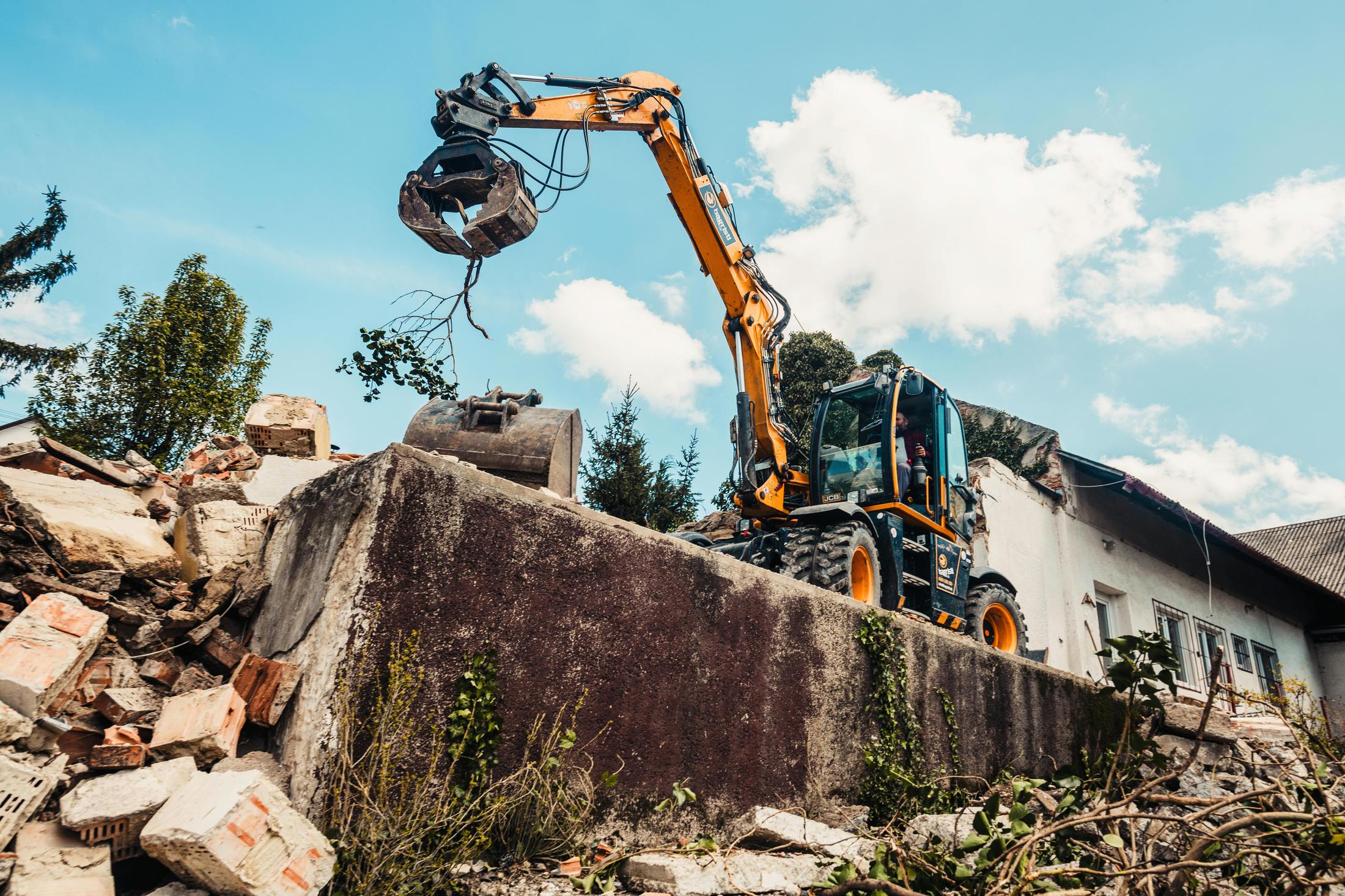
The sub that
protects your claim.
Restoration work runs on a clock that starts the moment damage happens. Every hour of delay between the call and the first piece of damaged material coming out is revenue left on the claim, compounded secondary damage, and a longer total project.
Restoration companies don't need a demolition sub who treats the job like a regular remodel. You need a sub who understands the difference between working inside adjuster-approved scope and going rogue, who knows how to preserve evidence for the adjuster review, and who can produce the documentation package that lives inside a claim file.
Liora Works runs demolition, hauling, and debris removal scope for restoration companies across Metro Detroit. Fast dispatch on emergency calls. Scope discipline that respects the adjuster's process. Documentation built for insurance claims, not for a GC's project file.
Four service lines.
Every mitigation call.
The scope a restoration company needs from a demolition and hauling sub. Each service line runs with documentation, scope discipline, and adjuster-aware process built into the workflow.
Selective removal for mitigation scope
Fire-damaged structural demolition, water-damaged selective demo (drywall, insulation, flooring, cabinetry), storm damage removal, and post-mitigation demolition. Scope sized to insurance authorization, not expanded unilaterally. Evidence preserved for adjuster review when the restoration PM indicates.
- Fire-damaged structural demolition
- Water-damaged selective removal
- Storm damage structural demo
- Post-remediation demolition
Contaminated debris, disposed right
Fire-damaged material hauling, Category 1-3 water debris removal, biohazard and contaminated debris handling under containment protocols, and total-loss volume debris campaigns. Disposal manifests generated as material leaves the site. Documentation stays with the claim package.
- Fire debris hauling with disposal documentation
- Category 1–3 water-damaged material
- Biohazard & contaminated debris
- Large-volume total loss hauling
Site clearing for reconstruction
After total loss demolition, the reconstruction phase needs the site cleared, graded, and ready for the restoration company's rebuild crews. Site clearing, foundation excavation for rebuild when needed, debris staging coordination, and rough grade prep for reconstruction.
- Site clearing after total loss
- Foundation excavation for rebuild
- Debris staging & removal through rebuild
- Rough grade prep for reconstruction
Dispatch through
claim closeout.
What happens from the restoration PM's call through the claim documentation package landing in your inbox. Each phase has a standard rhythm built around insurance claim requirements.
Dispatch & Assessment
- Emergency call triaged and priority-flagged
- Dispatch within 4–8 hours on business days
- Site assessed and photographed before any material moves
- Adjuster review status confirmed with restoration PM
- Scope alignment locked before work begins
Authorized Removal
- Work stays inside adjuster-approved scope
- Out-of-scope conditions flagged with photos in writing
- Continuous photo documentation during work
- Disposal manifests generated as debris leaves site
- Evidence preservation honored when PM indicates
Claim Documentation
- Time-stamped photos across every phase
- Itemized scope descriptions tied to claim lines
- Disposal manifests with tonnage and disposal facility
- Invoice structured to your claim submission format
- Full package delivered the day scope closes
Operational fit
for the restoration workflow.
What restoration project managers actually need from a demolition and hauling sub. Six operational commitments that show up on every mitigation call Liora Works runs.
Fast Mitigation Dispatch
4 to 8 hour response on business days on confirmed mitigation scope. Water damage jobs flagged for priority so secondary damage doesn't compound while a sub schedule is debated.
Insurance Documentation Built In
Time-stamped photos, disposal manifests, itemized scope descriptions, and invoices structured to align with restoration company claim packages. Delivered as scope progresses, not assembled retroactively under pressure.
Adjuster-Aware Workflow
We don't remove what the adjuster hasn't seen unless your PM authorizes it. Damaged areas photographed, flagged, and held pending adjuster review when indicated. Evidence preservation is part of the job, not a polite request.
Scope Discipline
Work stays inside authorized scope. Out-of-scope conditions (additional water migration, hidden fire damage, structural concerns) get written flags with photos and recommended approach, not unilateral scope expansion that surprises the adjuster.
Contaminated Debris Handling
Proper disposal protocols for fire debris, Category 1–3 water debris, sewage, and contaminated materials under IICRC S500 and S520 alignment. Documentation of disposal facility and Michigan regulatory compliance in every package.
Catastrophic Event Capacity
When major events hit (tornado, large fire, widespread flooding), crew and truck capacity scales to the event. Multiple crews dispatched across your affected portfolio with single PM contact on our side coordinating the deployment.
The calls we run
for restoration PMs.
The restoration scope Liora Works runs most often across Wayne, Oakland, and Macomb counties. Each has a standard pattern that repeats across claims.
Fire Damage Demolition
Post-fire structural demolition of unsalvageable elements. Smoke and water-damaged interior finishes. Scope documented against adjuster report and restoration PM authorization. Contaminated debris hauled with disposal documentation for the claim.
Water Damage Selective Demo
Category 1–3 water-affected materials. Drywall, insulation, flooring, cabinetry, and trim sized to actual moisture migration, not just visible damage. Documented and hauled within insurance-authorized scope.
Storm Damage Demolition
Roof, siding, structural element removal after storm, tornado, or wind damage. Site cleared for your reconstruction phase. Insurance timeline respected across dispatch, removal, and closeout documentation.
Category 3 Water & Sewage
Black water scenarios (sewage backup, flood contamination) with contaminated porous materials requiring proper containment and disposal. IICRC S520-aligned workflow. Disposal documentation supports the claim.
Post-Remediation Debris
Debris removal after your remediation crew has completed mold work. Contaminated materials hauled through approved disposal channels with manifests. Clean handoff to reconstruction phase.
Total Loss Debris & Clearing
After total loss demolition, debris volume requires multi-truck hauling capacity. Full site clearing, foundation excavation for rebuild when needed, and rough grade prep all coordinated through a single scope.
Restoration questions.
Answered directly.
Six questions we hear most often from restoration project managers evaluating Liora Works for mitigation and debris scope.
How fast can you dispatch on a restoration mitigation call?
Standard dispatch on confirmed mitigation scope is 4 to 8 hours on business days. Water damage jobs where secondary damage accumulates hourly get priority flagging during intake. Off-hours and weekend calls typically see crews on site first thing the next business morning. Dispatch starts with a phone call rather than email: (313) 771-2535 routes directly to triage so we can size the crew to the scope. We work with restoration PMs to align our arrival with the mitigation timeline and any pending adjuster review.
Do you provide documentation specifically formatted for insurance claims?
Yes. Every restoration project closes with a documentation package built for insurance claim inclusion. This includes time-stamped photos from before, during, and after removal scope, itemized scope descriptions tied to claim line items, disposal manifests with tonnage and disposal facility information, and invoices structured to align with the restoration company's billing format for adjuster submission. Documentation is delivered proactively as the scope progresses rather than assembled at the end. Restoration PMs can request specific photo angles or additional documentation mid-project without escalation.
How do you handle scope authorization and adjuster coordination?
Scope discipline is non-negotiable on restoration work. Liora Works works inside the authorized scope given by the restoration PM, which reflects the adjuster's approved scope of work. If we encounter conditions that exceed authorized scope (additional water migration, hidden fire damage, structural concerns, contamination spread), we document the condition with photos, stop work in that area, and flag it to the restoration PM for adjuster review before proceeding. We don't expand scope unilaterally. When an adjuster needs to see damage before removal, we hold that scope until the restoration PM confirms clearance.
Can you handle contaminated debris (Category 3 water, fire, sewage, mold)?
Yes, within the scope appropriate for our licensing. Category 1 and 2 water debris, standard fire debris, and storm-damaged materials are handled directly. Category 3 black water, sewage-contaminated debris, and post-remediation mold debris are handled under containment protocols aligned with IICRC S520 and S500 standards, with disposal at approved Michigan waste facilities. For asbestos-affected demolition (common on pre-1980 structures), we coordinate with licensed Michigan abatement contractors for material removal, then handle hauling of post-abatement debris. We don't perform direct abatement of friable asbestos.
What's your capacity for catastrophic events like major storms or fires?
Catastrophic events (major tornadoes, widespread flooding, large commercial fires) generate multi-property demolition and debris scope that can overwhelm restoration company subcontractor networks. Liora Works runs multiple crews across Wayne, Oakland, and Macomb counties and can scale crew and truck capacity for events of this type. Event-level coordination runs through a single PM contact on our side who manages the deployment across your affected properties. For known seasonal risk periods (severe storm season, winter pipe failures), we can pre-position capacity conversations with restoration partners so dispatch is faster when events occur.
Do you coordinate with our project managers or work directly with adjusters?
Coordination runs through the restoration company's project manager or project coordinator, not directly with the insurance adjuster. The restoration PM controls scope authorization, adjuster communication, and the claim narrative. Liora Works supports that workflow by providing scope descriptions, photos, and documentation in the formats the PM needs for adjuster submission. If an adjuster has specific questions about demolition methodology, debris disposal, or scope assumptions, we can respond through the restoration PM with written answers. Direct adjuster contact happens only when the restoration PM specifically authorizes it.
Send the address.
Property address, cause of loss, and scope authorization status. We'll dispatch within your mitigation timeline and deliver claim-ready documentation as the scope progresses.