
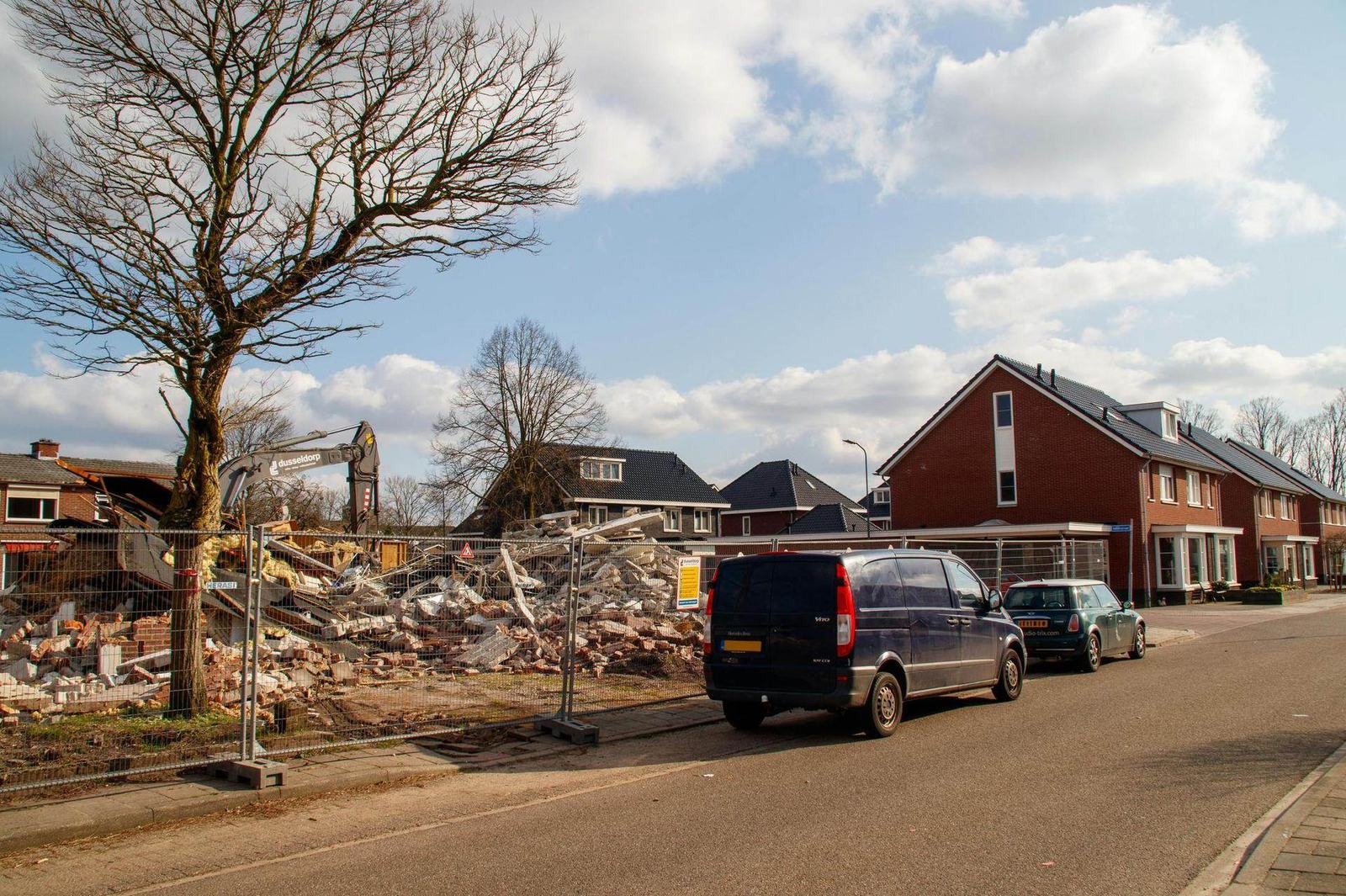
Before demolition day: confirm gas, electric, and water disconnects in writing, clear everything you want to keep, flag everything that stays, photograph adjacent conditions with dates, and make sure equipment and trucks can physically reach and stage at the structure. Utility scheduling is the single most common source of delay, so start disconnect requests two to four weeks out. Projects that stall on day one almost always stall on one of these five items.
The preparation timeline, working backward from demolition day
Good preparation is mostly a calendar exercise. Utility companies move on their schedule, not yours, and permits and asbestos clearance have their own clocks. Here is the sequence that works, counted backward from the day the excavator arrives.
- 4 to 6 weeks out: contract signed, asbestos survey ordered if the structure predates 1980, permit application in motion, utility disconnects requested.
- 3 to 4 weeks out: abatement scheduled if the survey found materials, disconnect appointments confirmed, site walk completed with protection flags placed.
- 2 weeks out: personal property cleared, salvage decisions final, hazardous household items pulled for separate disposal.
- 1 week out: disconnects verified physically, not just by phone, adjacent conditions photographed, access and staging confirmed, neighbors informed.
- Day before: final walkthrough with the contractor, keys and access squared away, everything that answers to you is off the property.
Utility disconnects come first, and they run the schedule
Nothing happens until gas, electric, and water are verifiably dead at the structure. DTE handles gas and electric disconnects across most of Metro Detroit; water runs through your municipality or its GLWA-affiliated department. Request disconnects two to four weeks ahead, because utility scheduling is the most common critical-path delay on residential demolition in this market, and an excavator waiting on a gas cut is the most expensive parked machine you will ever rent.
What "disconnected" actually means, by utility
- Gas. Meter removed and the service cut at the main or curb, confirmed with paperwork. A valve turned off at the meter is not a disconnect, and no demolition crew will treat it as one.
- Electric. Service drop removed from the structure and the meter pulled. A main breaker in the off position is not a disconnect; the line to the house is still energized.
- Water. Service killed at the stop box near the property line, not just the basement shutoff. Municipalities differ on who physically performs this, which is worth confirming when you schedule.
- Sewer. The lateral is typically capped during excavation as part of demolition scope, coordinated with the municipality where inspection is required. This is contractor work, not a utility appointment, but it belongs on the same checklist.
- Communications. Cable and fiber drops get forgotten constantly. They are not dangerous, but a line still attached to a structure coming down takes neighborhood service with it, and that phone call is no fun.
Clear it out, with a strategy
Everything you want to keep leaves before the machines arrive. Everything you do not want can usually stay, because it is generally cheaper to haul mixed demolition debris than to pay separately for a cleanout, but tell your contractor either way so debris volume is scoped correctly and the quote does not meet a surprise on day one.
What must come out regardless
- Refrigerant appliances. Refrigerators, freezers, window units, and dehumidifiers require certified refrigerant recovery before disposal.
- Household chemicals. Paint, solvents, pesticides, pool chemicals, and automotive fluids go through household hazardous waste channels, not the debris pile.
- Propane tanks and fuel. Grill tanks, torch cylinders, and any fuel containers leave the site entirely.
- Tires. Regulated separately at Michigan landfills, so they are pulled and disposed of through the proper stream.
- Anything sentimental. Obvious, and yet: check the attic, the crawlspace, the garage rafters, and behind the basement stairs. Demolition is wonderfully final.
Salvage worth considering
Before everything becomes debris, a few categories routinely justify a salvage pass: architectural pieces in pre-war homes (doors, trim, mantels, fixtures), newer mechanical equipment (a furnace or water heater with life left), and copper or other metals if you are inclined to pull them. Be realistic about labor versus value, but decide deliberately rather than by default.
Protect what stays
Walk the site with your contractor before mobilization and physically flag what survives: trees, fence runs, a garage staying up, the neighbor's driveway edge, an irrigation line, a landscape bed you care about. An excavator working a tight lot will use every foot you have not explicitly marked off, not from carelessness but because unmarked ground reads as workspace.
Tree decisions deserve special attention. If a tree sits inside the work radius, decide early whether it is protected or removed, because taking it out during demolition is cheap, and taking it out after new landscaping is not. For trees that stay, agree on a protection zone at the dripline and keep equipment, debris, and material staging out of it, root compaction kills trees as surely as the saw, just slower.
Document the surroundings like it matters, because it does
Photograph adjacent structures, sidewalks, curbs, driveways, and retaining walls the week before work starts, with visible dates. Pre-existing cracks in a neighbor's drive become your problem without evidence they came first. Include wide shots for context and close-ups of every existing defect. Good contractors do this themselves as standard practice; do it anyway, five minutes with a phone camera is the cheapest insurance on the entire project.
While you are at it, photograph your own site conditions: the fence you are keeping, the tree line, the grade along the property line. If a dispute ever arises about what condition anything was in, the person with dated photographs wins the conversation.
Confirm access, staging, and the physical logistics
An excavator, dump trucks or trailers, and possibly a water source for dust control all need to reach the structure and work without improvising. Walk the approach with your contractor and answer the practical questions before mobilization day answers them for you.
- Overhead lines. Service drops, communication lines, and street primaries limit where equipment can swing and trucks can raise beds.
- Gates and widths. Machine access through side yards and fence openings is a measured question, not an eyeball question.
- Ground conditions. Soft lawns, septic fields, and buried utilities dictate travel paths. Spring in Michigan makes this a bigger question than most owners expect.
- Truck staging. Where trucks load without blocking the street illegally. Dense Detroit and inner-suburb lots sometimes need right-of-way permits for street staging, which your contractor should identify at the site visit, not on day one.
- Dust control water. If the water service is already dead, the crew needs a plan, a hydrant permit, a water trailer, or a neighbor's blessing.
Gas meter still on the house. Personal property inside. A car in the garage being demolished. No confirmed truck staging path. Communication lines still attached. A property-line dispute that surfaces when the machine shows up. Every one of these is free to fix the week before and expensive to fix at 8am on demolition day.
Neighbors, notice, and the small diplomacy that pays
Formal notice to neighbors is not usually a legal requirement for standard residential demolition, though Detroit's own demolition program uses door-hanger notice and some municipalities have their own customs. Do it anyway. A two-minute conversation about dates, dust, and truck traffic prevents most complaints, and a neighbor who knows what is coming is a neighbor who calls you instead of the city when a question comes up. On tight lots where staging brushes their property, that goodwill is worth real money.
What your contractor should be handling
Preparation is shared work, but the split should be explicit. On a Liora Works demolition, we carry the permits, the EGLE notification, sewer cap coordination, MISS DIG utility marking before any excavation, dust control planning, and the site walk where protection zones get flagged and photographed. You carry the utility account requests (they require the account holder), the clearing decisions, and the neighbor conversation. Put the division in writing in the contract and day one becomes what it should be: machines working, nothing to discuss.
Season matters: preparing in a Michigan winter
Winter demolition works fine in Metro Detroit, crews run all year, but preparation changes shape. Frost stiffens the first feet of ground, which slows foundation removal and any excavation, and snow hides the things you meant to protect, so flag protection zones with stakes tall enough to outlast February. Water for dust control needs a plan when the service is dead and the hydrants are icy. Utility appointments get harder to book around holidays, pad the disconnect timeline an extra week from Thanksgiving through January. And staging matters more: a debris pile that would drain in June sits as a frozen block in January, which is one more argument for hauling debris as it is generated instead of stockpiling. None of this argues against winter work, winter pricing and scheduling are often friendlier, it argues for preparing like the season is real, because it is.
Special structures prepare differently
- Garages. The fastest prep on the list, but two items stall day one constantly: a vehicle still inside, and the electrical feed from the house still live. Confirm both dead and gone.
- Inground pools. Preparation means drainage decisions, utility lines to pool equipment, and the fill-versus-full-removal call, which changes the debris and import numbers entirely. That decision belongs in the contract, not the driveway.
- Sheds and outbuildings. Check for the informal wiring previous owners ran from the panel, it is live until proven otherwise, and for the chemicals and fuel that accumulate in outbuildings for decades.
- Fire-damaged structures. Insurance documentation comes first, structural assessment second, and expect the asbestos survey to matter more, not less, since damage makes materials friable.
- Houses with basements staying open for rebuild. Protection planning flips: now the excavation itself is the asset, and prep centers on keeping equipment loads off the walls you are preserving.