
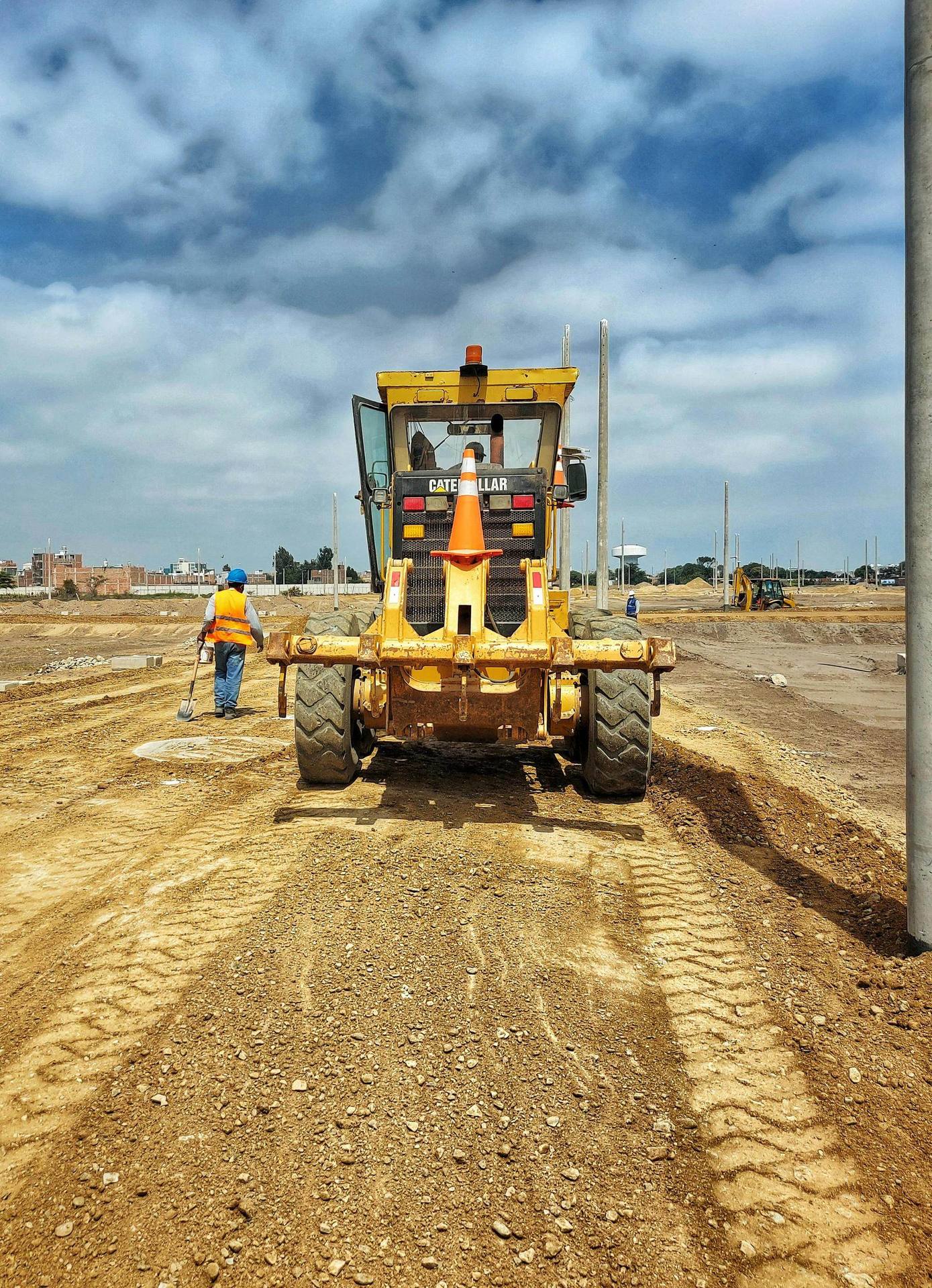
Clearing an overgrown Metro Detroit lot runs a fixed sequence: property walkthrough and scope, MISS DIG utility marking and any wetland or ordinance checks, vegetation removal by mulching or felling, stump handling matched to future use, material disposition, and grading to the finish standard the next phase needs. Most residential lots clear in one to three machine days. The critical decision is made before any machine starts: ground that will carry a foundation, driveway, or septic field must be grubbed, not just mulched, because roots and stumps cannot stay under structures.
Start with the end: what is this ground going to do?
Every good clearing project runs backward from the land's next job. A lot being tamed for looks, sightlines, or sale can be mulched, fast, affordable, roots left in the ground holding the soil. A lot heading for construction plays by harder rules: the building envelope, driveway path, and septic or utility corridors must be grubbed, stumps and root systems out, because organic material decomposing under a slab or footing becomes settlement, and settlement becomes a structural repair with your address on it. Say what the ground is for at the first call and the entire scope, method, and price assemble around the right answer instead of the cheap one.
Step one: the walkthrough, where the real quote is built
A clearing quote produced without boots on the parcel is a guess with a logo. The walkthrough establishes what is actually standing, stem density, mature tree count and diameters, invasives, debris and dumping (overgrown Metro Detroit lots hide everything from old fencing to buried concrete), plus the conditions that shape the work: access width for equipment, ground moisture, slopes, drainage paths, property pins, and anything worth protecting, the good trees stay by decision, not by luck. This is also where wetland flags get raised honestly: low, wet ground with the wrong vegetation gets checked against EGLE wetland mapping before anyone commits to disturbing it, and several area communities add tree preservation ordinances the quote must respect. An hour on the property converts every later surprise into a line item you saw coming.
Step two: marking and paperwork before any machine moves
- MISS DIG 811. Michigan law requires utility marking before ground disturbance, and grubbing is ground disturbance. Marks typically land within about three business days of the request.
- Property lines confirmed. Clearing a neighbor's trees is the most expensive mistake in this trade; pins get found or set before saws run.
- Municipal checks. Tree ordinances, grading permits where they apply, and right-of-way rules for equipment and hauling, contractor scope on our projects.
- Protection zones flagged. Keeper trees get physical flagging and a dripline no machine crosses, because root compaction kills slower than a saw but just as surely.
Step three: the vegetation comes down
On brush and saplings, a forestry mulcher works the parcel in passes, standing growth becomes ground cover in place, no burn piles, no haul convoy, erosion control included by default. On mature timber, the sequence is felling, processing into logs and tops, and staging for disposition. Most overgrown residential lots are a blend: mulch the mass, fell the hardwoods, and the machine-day count follows density. Expect one to three days on typical lots, longer on acreage or heavy timber.
What happens with the material
- Mulch stays as ground cover on maintained land, or gets spread thin and incorporated ahead of grading.
- Logs leave by truck, or stay stacked if the owner wants firewood, stated in the scope either way.
- Debris and surprises, the fencing, tires, and dumped concrete that overgrowth swallows, ride the hauling stream with weight tickets to licensed disposal.
Step four: stumps, the fork in the road
This is where "cleared for looks" and "cleared for construction" permanently part ways. Flush-cutting leaves stumps at grade, fine under future lawn you will mow around, wrong under anything structural. Grinding chews stumps below grade and suits landscaping plans. Grubbing excavates stump and root mass entirely and is the only standard for building envelopes, driveways, and septic fields, followed by backfilling the voids with compactable material, in lifts, because a grubbed hole filled with loose spoil is a settlement dimple scheduled for next spring. Match the stump standard to the future use zone by zone; paying grubbing prices across ground that only needed mulching wastes money in one direction, and mulching ground that needed grubbing wastes it in the other, later, with interest.
Step five: grading, and what buildable actually means
A parcel can look finished and still fail its next inspection. Track-walked rough grade, smooth enough to mow, drained enough to walk, is a legitimate finish for land staying land. Build-ready is a different standard: grubbed envelope, voids backfilled and compacted, positive drainage established away from the future foundation, and the site ready for the surveyor and the excavation phase without rework. The finish standard belongs in the contract in plain words, because the gap between the two is exactly where cheap clearing quotes send their second invoice.
Roots and stumps left under structures do not stay put; they decompose, and the soil above them follows. That is why grubbing is not an upsell on construction-bound ground, it is the difference between a pad that holds and a foundation repair in year six. Decide by future use, zone by zone, and put the zones on paper.
The realistic timeline, first call to finished ground
- Walkthrough and written scope: within days of the call, quote within 24 hours of the walk.
- MISS DIG marking: typically about three business days from request, run in parallel with scheduling.
- Ordinance and wetland verification: parallel paperwork, longer only when a wetland question is real.
- Machine days: one to three on typical residential lots; acreage and heavy timber scale from there.
- Stump work and backfill: inside the same mobilization on most projects.
- Grading to standard: the finish pass, rough or build-ready per the contract.
Call to cleared commonly runs two to three weeks, most of it scheduling and marking rather than machine time, and wet-season ground can move the calendar more than the work itself.
What it costs, in one honest paragraph
Typical Metro Detroit residential lots run $1,500 to $8,000 depending on density, tree size, stump standard, haul-off, and finish grade, light brush toward the bottom, mature hardwoods with grubbing toward the top. The full per-acre economics, including why bigger parcels price lower per acre and which line items separate real quotes from teasers, get their own treatment in our land clearing cost breakdown.
What the machine days look and sound like
Owners are usually surprised by the rhythm. Day one opens with the walkthrough confirmation, flags checked, marks verified, then the mulcher or excavator starts at the access point and works the parcel in deliberate passes, loudest in the first hours when the dense growth goes. Standing jungle becomes visible ground faster than anyone expects, most of a lot's transformation happens before lunch on day one, and the remaining time is the careful work: the mature trees felled and processed one decision at a time, the keeper trees skirted wide, the stump zones worked to their scoped standard. Debris and log staging grows through the day and shrinks as trucks cycle. By the final pass the parcel is quiet, and the last machine hours go to grading, which looks like nothing and determines everything about how the ground drains next April.
After the clearing: keeping the lot won
Cleared ground does not stay cleared by itself. Mulched parcels regrow from the root systems left intentionally in place, which is fine, and managed with a maintenance pass every season or two at a fraction of the original cost, far cheaper than letting five years of regrowth rebuild the original problem. Grubbed and graded ground holds better but wants its drainage respected and its bare soil stabilized, seed or cover before the first hard rain, not after it. And every cleared lot benefits from the boring discipline of a walk each spring: catching the volunteer saplings, the fence-line creep, and the neighbor's runoff while they are an afternoon's work instead of a mobilization. The first clearing buys back the land; the maintenance keeps the purchase.
Why this is a Liora Works job
Clearing bound for construction is excavation-adjacent by nature, the same crew logic, the same compaction standards, the same respect for what happens under future structures. We self-perform land clearing across Wayne, Oakland, and Macomb counties, scope from a walked parcel, put stumps, haul-off, and finish standards in writing, and hand off ground that the next phase, yours or ours, can build on without rework. Quotes within 24 hours of the walkthrough, wherever the lot is hiding.